Skip to content
LeviathanPreparing your journey

FOUR DESTINATIONS. ONE CONNECTED WORLD.

Explore the platform

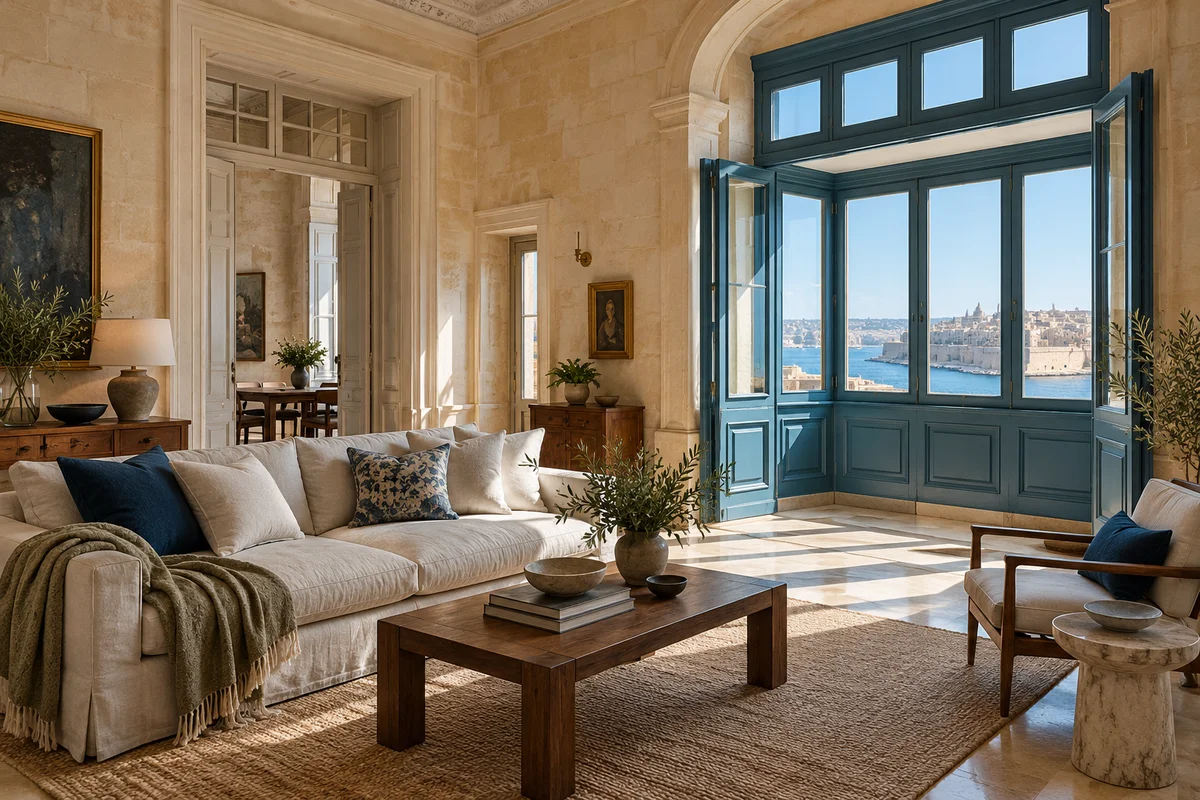
Sunlit apartment with warm Mediterranean character
Valletta, Malta
01 / 04

Apartments

An apartment stay starts long before the key turns in the door. A guest might book while the owner is looking after another property, then ask about arrival from a different time zone. With reservations, availability and prices visible across booking channels, the team has a clear picture of what has been promised. They can answer with the right details instead of piecing together notes from several places.

As check-out approaches, the next handover comes into focus. The shared calendar shows when the apartment is occupied, when cleaning needs to happen and when the next guest is due. Arrival information and access details can go out at the right time. If a repair needs attention between stays, the people preparing the apartment can see that task alongside the booking rather than discover it at the door.

The scale may be one carefully kept home or a portfolio spread across a city. Either way, the work is made of small decisions: which apartment is ready, who is arriving tonight and what they have already been told. Leviathan keeps those details close to the people doing the work, leaving them more room to make each arrival feel considered.


Welcoming white-clapboard guesthouse in the Vermont countryside
Woodstock, Vermont, United States
02 / 04

Guesthouses

A guesthouse earns its character through the people who run it. When someone returns, remembering their name and the conversation they had last time matters more than a polished script. Reservations and guest messages together give a small team the context for a warm welcome. They can see who is due, what has been asked and which room is expected, even when a different colleague answers the next message.

The day still has a practical side. One room needs cleaning after breakfast; another has a maintenance issue to sort out before an arrival. Room status and daily tasks sit where the team can find them, so the person at the desk knows what is ready and the person preparing rooms knows what is next. A shared view helps because there may only be a few people to cover everything.

That leaves space for what a guesthouse does best: an unhurried recommendation, a useful answer about the neighbourhood or a conversation at the door. The software does not supply the personality of the place. It helps the people who know it keep the routine work in order, so their attention can stay with the guest.

Refined city hotel entrance glowing in the Tokyo evening
Tokyo, Japan
03 / 04

Hotels

At a hotel, one stay passes through many hands. A reservation reaches the front desk, a room is prepared by housekeeping and a request may need help from maintenance. When each team sees the same booking, room status, messages and tasks, the next person can pick up the work with its context. That is especially useful on a busy day when arrivals and departures overlap.

A cancellation can free a room; a new booking can change what needs preparing. Availability and rates can be kept aligned across channels as demand shifts, while the team decides how to respond. Before arrival, the guest can receive the practical information they need. At the desk, colleagues can see what has already been communicated and what still needs a human answer.

The aim is a calmer handover, from the first enquiry through check-out. Front desk staff spend less time asking whether a room is ready. Housekeeping can see what is due next, and maintenance can find the work attached to the right place. Guests encounter people who have time and information to help them, rather than the effort it took to coordinate the building.

Historic lakeside castle hotel in the Salzburg Alps
Salzburg, Austria
04 / 04

Luxury Castle Hotels

In a historic castle hotel, the building is part of the reason people come. A guest may remember the staircase or the view, while the team remembers the work it takes to prepare a particular room. Reservations, availability and rates need the same care as anywhere else, but the setting adds its own practical questions. Keeping the relevant information together helps the staff plan around both the arrival and the place.

A request made before a stay should reach the people who can act on it. The front desk can see the conversation, while housekeeping and maintenance have the tasks they need to prepare the room. Access details and arrival information can be shared when useful, without turning a personal welcome into a sequence of instructions. The team remains free to decide where a direct conversation is the better touch.

Good service here is quiet. Someone notices a task; someone else passes on a preference. Leviathan supports those handovers with a shared view of the stay, so the day can be organised around the building’s particular needs. The technology stays in the background, and the character of the place remains what guests carry home.

ONE WORLD. ENDLESS POSSIBILITIES.

Every property. One connected world.

From individual apartments to extraordinary castle hotels, Leviathan brings hospitality technology, property operations, and guest experiences together in one intelligent ecosystem.

Discover Leviathan
Scroll to explore

Everything you need

One clear view for the whole team.

Seven tools that work together, from the first booking to the day’s last task. Choose one to see how it helps.

01 One connected platform

PMS

All-in-one property management system

A booking holds more than two dates. When someone calls to change an arrival or ask about payment, the team needs the whole stay in view: the guest, the property, the reservation and what needs doing next. Leviathan brings those details together for a clear answer.

The same view helps when work passes between people. Front desk can see the status of a payment and the note from an earlier conversation; operations can see what the booking means for the property today. If plans change, the next colleague has the context to follow up.

A single apartment owner may handle every step personally, while a hotel team divides it across shifts. Both need clear information from enquiry to check-out. The property management system gives them a common place to look after the stay.

02 One connected platform

Unified Calendar

All channels in sync

A calendar is most useful at the moment plans change. A guest cancels a weekend, another extends a stay, and someone needs to know which room can now be offered. The shared view brings room and apartment reservations from different channels together.

Availability can update across channels. The team sees what can be sold without comparing calendars by hand. A room may be free after check-out but still need cleaning.

For the person taking a call, the question is simple: is this space available? Those preparing it need to know when. A unified calendar keeps both answers in the same picture, so changes to the day are visible to everyone who has to act on them.

03 One connected platform

Dynamic Pricing

Maximize revenue automatically

A quiet weekday and a busy weekend call for different decisions. The team can set how rates respond to occupancy, season and demand. The strategy for each property remains theirs.

As bookings fill a period, the picture is easier to read. The team can review the rates alongside occupancy and decide whether their settings still fit. They can also consider rates for slower dates.

Pricing is part of hospitality work, not a promise that every night will sell at the highest possible rate. Leviathan helps keep the information and the rate settings close together. That helps people adjust as the season and bookings change.

04 One connected platform

Guest Messaging

WhatsApp, email and more

A guest might email a question, then send a WhatsApp message while travelling. Whoever answers needs to see what has already been said. Bringing those conversations together makes it easier for the team to respond with the right context, even when the colleague who started the exchange has finished their shift.

Before arrival, a practical message about timing or access can make a real difference. The team sees what has been shared and what still needs an answer. They can avoid repetition and answer personal requests in their own words.

Good communication depends on listening as much as sending. When guest messages sit alongside the stay, a request does not have to be remembered from one inbox to the next. Staff can pick up the conversation where it was left and give the guest a clear answer at the moment it matters.

05 One connected platform

Smart Access

Door codes and guest portal

Arriving at an unfamiliar door can be stressful, especially after a late journey. An access code and clear directions in the guest portal show guests what to do. The team can share those details at the right time.

Access is also a question for the people on site. They need to know which guests have received their details and whether someone may still need assistance. Alongside the booking, that helps a colleague answer a last-minute call.

Some guests will be happy to let themselves in; others will have a question that deserves a person. Smart access supports both situations by making practical details easy to find before and during the stay. The team still chooses when a personal welcome is needed.

06 One connected platform

Operations

Cleaning, maintenance and tasks

A room can be vacant and still not be ready. After check-out, housekeeping needs to know what to prepare; maintenance may have a separate issue to resolve before anyone arrives. Tying tasks to the right place and time gives each colleague a usable picture of the day ahead.

A supervisor can assign work and follow its progress, while front desk can check room status before making a promise to a guest. If plans change, the shared view makes it easier to see what needs attention next. The people doing the work have the information to act without relying on a note left on someone's desk.

The value is in ordinary handovers. A completed clean, an outstanding repair and an approaching arrival should be visible to the people responsible for them. Leviathan helps the team coordinate those steps, so rooms are prepared with care and colleagues can spend less time chasing updates.

07 One connected platform

Integrations

OTAs, payments and third-party tools

Properties often use several services. A booking may come through one channel, a payment through another provider. Integrations bring that information into the team's daily work.

Connected systems give staff less to copy by hand. A new reservation, its availability and its payment context can be considered in the same working picture. Services differ by property, but handovers matter everywhere.

Connected tools should fit the team's work. Leviathan helps booking channels, payment services and other tools share the details that matter to the people managing the stay. That leaves fewer gaps to reconcile by hand when a booking changes.